
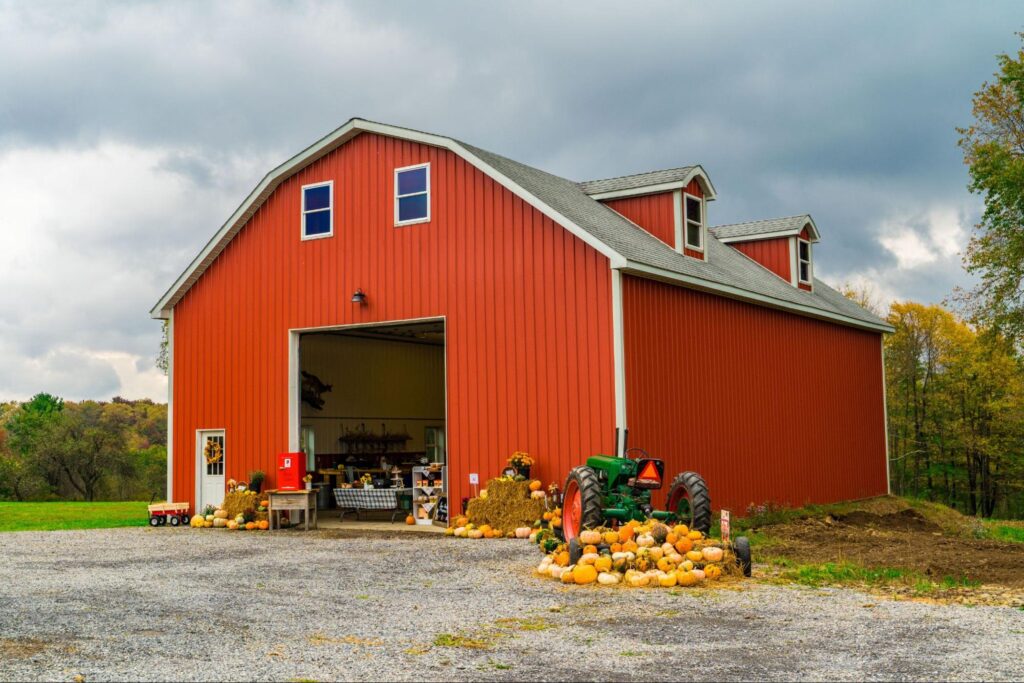
An old barn can be the pride of a rural property. It can also raise tough questions. Maybe the roof drips after a storm, a wall leans, or perhaps you want the space for a shop, storage, or a small farm business. That’s when many New York owners start weighing barn restoration vs renovation. What’s the difference? Which one fits your barn?
In New York, weather plays a big role like snow load, freeze-thaw cycles, and long stretches of moisture can speed up rot and wear. Renovation updates a barn for today’s use. Restoration repairs it while keeping its original look. Many projects use a mix. This guide breaks down how each approach works and what to check first so you can plan with confidence.
Barn Restoration vs Renovation: Simple Definitions
People use these terms in different ways. Here’s a clear view.
What barn renovation usually includes
Renovation focuses on use. The goal is to make the barn work better for how you live and work now.
Renovation often includes:
- Layout changes for a new use (shop, storage, studio, farm store)
- Better access (doors, lighting, safer paths)
- Updated basics (power, water, heat)
- Comfort work (insulation and air sealing)
What barn restoration usually includes
Restoration focuses on the barn’s original feel. The goal is to keep its look while fixing age and weather damage.
Restoration often includes:
- Repairing posts, beams, and joints when possible
- Saving original siding and details when they can be kept
- Using matching materials when parts must be replaced
Where “adaptive reuse” fits
Adaptive reuse means a new purpose. You might keep a classic exterior (restoration). You update the inside for daily use (renovation).
Next, let’s cover what comes before any design choices.
Start With Structure: Safety and Stability First
No matter the path, start by checking the structure. Old barns can hide problems. Some are behind boards. Others are under floors or in the roof.
A good first look focuses on the parts that carry weight:
- Posts and beams: soft wood, rot, insect damage
- Trusses and roof framing: sagging, spread, past leaks
- Footings and foundation areas: settling, moisture
- Wall line: bowed or leaning walls
This step keeps the plan grounded. It also helps protect the parts you want to save.
Once you know the barn’s condition, you can choose a smart direction.
How to Choose: Renovation or Restoration for Your Barn
Your best option depends on your goal and what your barn can safely support. In New York, that decision is often shaped by the local climate that can affect roof framing, foundations, and wall stability over time.
Choose renovation when you want modern use
Renovation is often the better fit when comfort and daily use are the main goals.
Renovation may be right if you want:
- Year-round use and better indoor comfort
- Space for tools and equipment, hobbies, or a small business
- Safer access and better lighting
- Updated systems that fit your needs
Choose restoration when you want to protect the original look
Restoration makes sense when the barn’s look and story matter most.
Restoration may be right if you want:
- Original timbers and details to stay visible
- Repairs that keep the same shapes and lines
- A careful approach that respects age and craft
Choose a hybrid when you want both
A hybrid plan is common. It keeps what you see and love. It updates what you need for safety and use.
A typical hybrid plan looks like this:
- Restore visible features (frame, doors, siding)
- Reinforce weak areas where needed
- Upgrade basics and comfort for the new use
If your barn will be used more often, performance matters.
Comfort Upgrades: Insulation, Water, and Fresh Air
Most barns were built to breathe. They were not built for insulation, plumbing, or year-round living. So upgrades need care.
Insulation And Air Sealing: Avoid Trapped Water
The goal is comfort. You also want to avoid holding water against wood.
Smart planning often includes:
- Insulation choices that still let the structure dry
- Air and vapor control in the right spots
- Roofing and siding that shed water well
Fresh Air: Keep Humidity Under Control
When a building is tightened up, it needs planned fresh air. Some projects use ERV/HRV systems. They bring in fresh air. They move out damp air. That helps comfort and protects wood.
Now let’s talk about another common surprise: permits.
Permits and Change of Use: What to Check Early
A barn used for storage is different from a barn used for guests. It is also different from a barn used for events or public visits. A change of use can change the rules.
Early checks that help prevent delays include:
- Zoning rules for your new use
- Permit needs for structural work and new systems
- Fire safety and exit needs when people are inside
Even a quick call to the local office can save time later.
Next comes the question most owners ask after “Which approach?” It’s “What will this take?”
Budget and Timeline: Plan for Hidden Repairs
Barn projects can be rewarding. They can also uncover hidden work.
Renovation Is Not Always Cheaper Than Building New
A barn project may include structural work. It may include new systems. It may include comfort upgrades. That can add up. Many owners still choose it because the barn’s feel is worth keeping.
Build In A Buffer For Surprises
Hidden conditions are common in older barns.
Common hidden issues include:
- Rot in posts, sills, or roof parts
- Insect damage in structural wood
- Past leaks that spread into framing
- Uneven footings and settling
A flexible plan helps you keep moving if new work shows up.
The right help makes a big difference.
The Right Team: Resources That Make Projects Easier
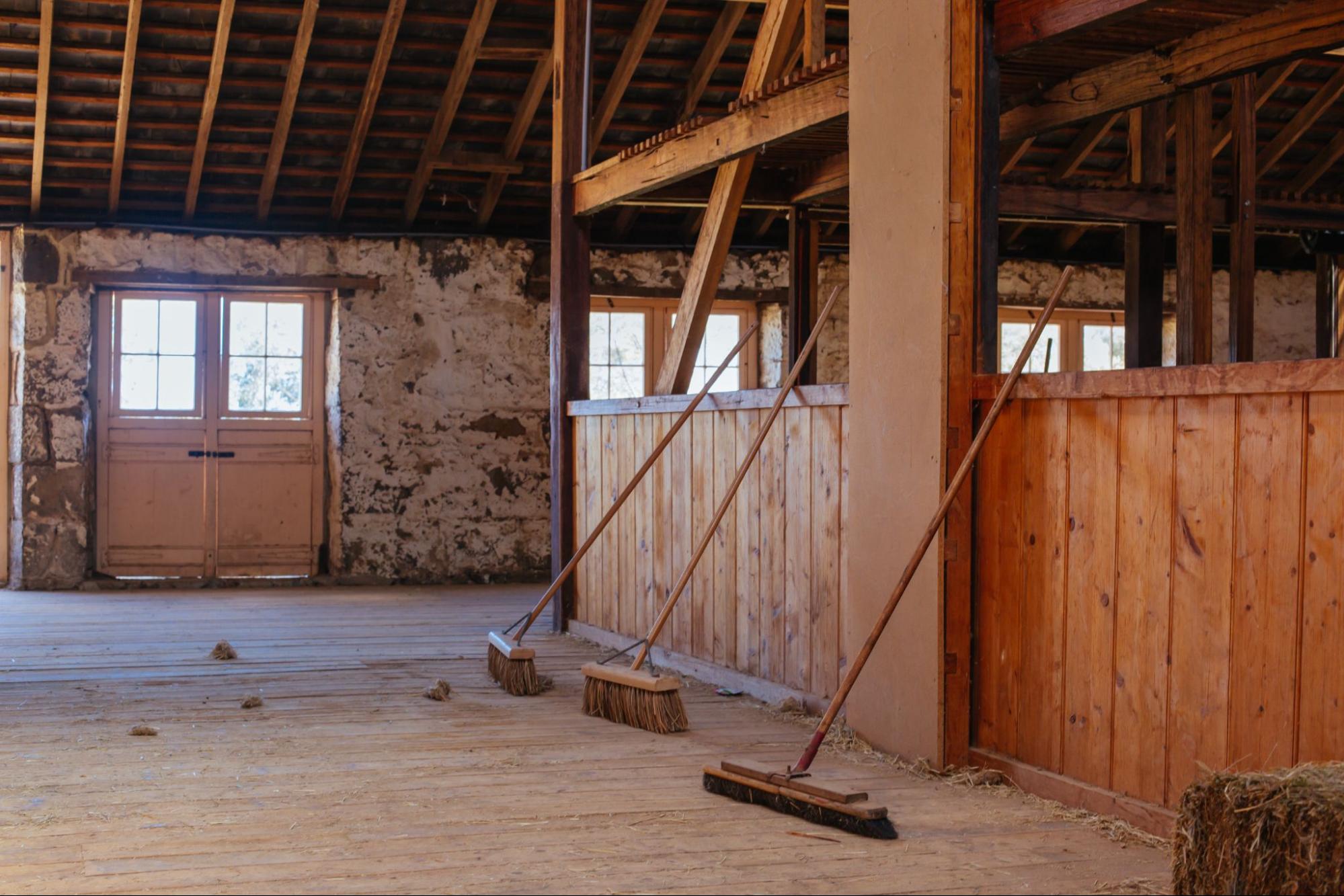
Barn work is specialized, and in New York it helps to work with professionals who understand older rural structures and regional weather demands.
Key resources often include:
- A structural engineer who knows rural buildings
- Barn builders or timber framers used to older frames
- Pros for insulation and water control
- Suppliers for heavy timber, metal roofing, doors, and windows
Good planning protects both the structure and your budget.
Before we wrap up, here’s a quick way to decide your direction.
Quick Decision Checklist
Ask these questions before you commit:
- Do I want modern use, original look, or both?
- Is the structure strong enough to keep, or does it need major help?
- Will people use the space year-round or gather inside?
- Should I phase the work (stabilize first, upgrades later)?
If you can answer these, you’re ready for a solid plan.
Strong Next Step: Clarity for Barn Restoration vs Renovation
If you’re weighing barn restoration vs renovation, the smartest move is to start with facts, not guesswork. A clear assessment helps you understand what your barn can safely support and which approach makes the most sense for your goals.
Woodford Barn Repair offers a free estimate so New York property owners can get honest insight before committing to work. That first step helps identify structural concerns, set priorities, and plan improvements that protect the barn’s character while improving safety and long-term use.
Whether your barn needs careful restoration, practical renovation, or a thoughtful mix of both, starting with a free estimate gives you a clear path forward. With the right plan in place, your barn can remain strong, function.
