
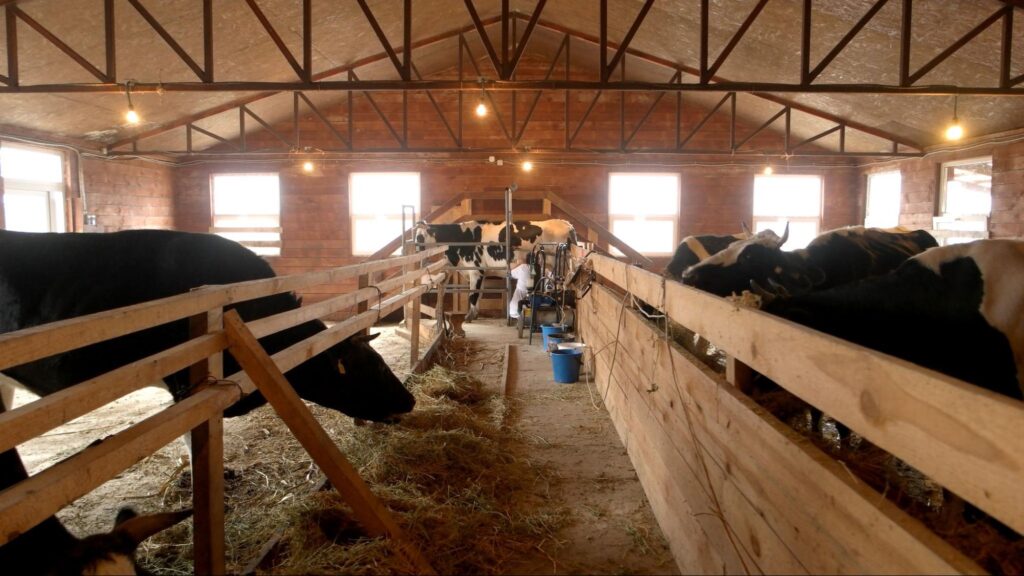
Air plays a bigger role in barns than many people realize, especially when ventilation falls behind livestock’s needs. In a livestock barn, steady fresh airflow helps animals breathe easier and keeps moisture from lingering after daily chores.
Across the Bird-in-Hand region, barns support working farms and family operations, and many older buildings are still in daily use. When airflow is limited, animals feel it first—and moisture can start wearing on the structure.
Woodford Barn Repair helps farm owners renovate barns to improve airflow while respecting the building’s layout and history. This guide covers the early signs of poor ventilation, common system options, and what to consider before making updates.
Why Ventilation Plays a Big Role in Animal Care
Ventilation helps keep the barn balanced. It moves moisture, heat, and gases out of the space as they build up during daily use. When air slows or becomes trapped, problems tend to grow over time instead of appearing all at once.
Animals give off heat and moisture throughout the day. Bedding, manure, and wash water add even more moisture to the barn. Without enough fresh air coming in and out, humidity climbs, and odors stay inside.
Over time, weak airflow can cause:
- Air that feels damp and uncomfortable for animals
- Smells that stay behind after chores are finished
- Moisture collecting on beams and siding
- Faster wear on wood and metal parts
These signs usually point to airflow issues rather than daily care routines. When ventilation works properly, moisture leaves the barn before it can cause lasting harm.
How Ventilation Affects Daily Work in the Barn
Daily barn work feels easier when the air stays fresh and dry. When air does not move well, even simple chores can take more time and effort. Many farmers notice these changes long before they think about ventilation.
- Damp air makes routine tasks harder. After washing, floors can stay wet and become unsafe to walk on. Slippery areas near stalls or alleys raise the risk of falls for both people and animals. With proper airflow, surfaces dry faster and remain safer through the day.
- Air movement also affects how the barn smells during cleaning. When moisture builds up, odors tend to hang in the air. Even after manure is removed, strong smells can remain. Good ventilation helps move those smells out, making the barn more comfortable to work in.
- Drying time is another clear signal. Limited airflow leaves bedding, walls, and equipment damp for longer periods. This slows daily routines and can lead to extra cleanup later. Steady airflow helps the barn dry out faster once chores are finished.
These small details matter. When work feels smoother and safer, it often shows that the barn’s airflow is doing its job.
Natural Ventilation in Livestock Barns
Many older barns were built to use natural airflow. Open ridges, windows, and large doors allowed fresh air to enter and exit without fans. When kept clear and balanced, natural ventilation in livestock barns can still work well.
This type of system depends on:
- Openings near the roof to release warm air
- Side openings that let fresh air enter
- Clear interior spaces so air can move freely
Natural ventilation works best when the barn structure supports it. Small changes can affect airflow. Closing off openings or adding insulation without planning can reduce air movement.
For farms that value traditional design, natural airflow often fits well. It also keeps energy use low. Still, it needs regular review to stay effective.
Mechanical Ventilation for Steadier Airflow
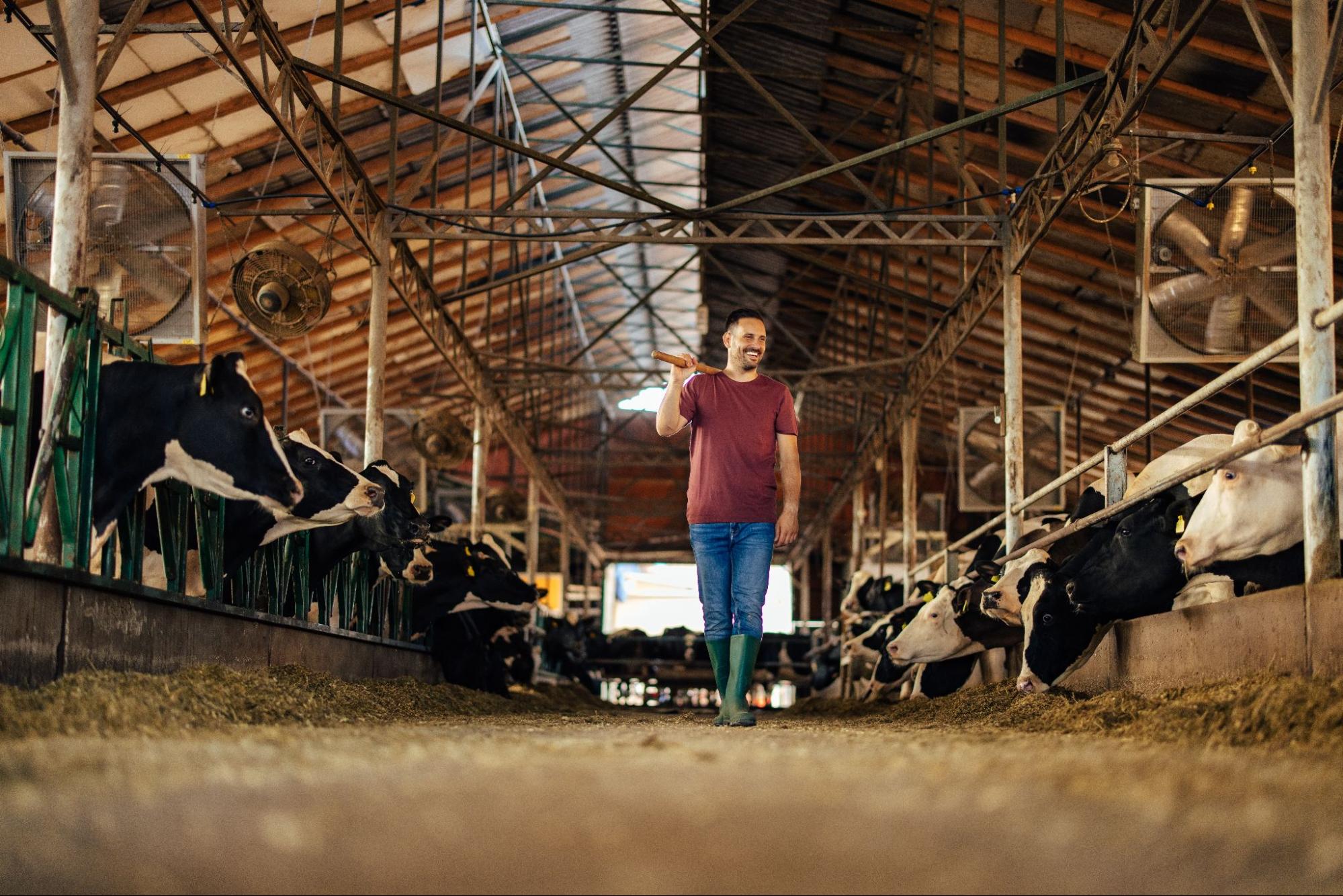
Some barns need more control than natural airflow can offer. Agricultural barn ventilation systems use fans and vents to guide air where it is needed most.
Mechanical systems help:
- Keep air moving during calm weather
- Reduce moisture in warm months
- Support animal comfort in winter
These systems are common in dairy and livestock housing where animal health depends on steady conditions. Fans can move air evenly through the barn when natural airflow slows down.
In older barns, adding mechanical systems takes planning. Fans alone do not fix airflow problems. The building layout still matters. A good system works with the structure, not against it.
Controlling Moisture Inside the Barn
Humidity and moisture control in barns protects both animals and the building. Moisture does not come only from rain or snow. It builds up every day through animal breathing, bedding, and cleaning.
High moisture levels can cause:
- Wood to soften and weaken
- Metal fasteners to rust
- Mold to form in hidden areas
Ventilation helps remove damp air before it settles on surfaces. Dry air keeps framing stronger and extends the life of repairs. This matters even more in barns built with original timbers.
According to research, steady airflow helps lower moisture levels and improve air quality for livestock. Pennsylvania State University Extension explains how proper ventilation supports animal health and barn durability in working farm settings.
Signs Your Barn May Need Better Airflow
Many airflow problems can be spotted during daily chores. You do not need special tools to notice early warning signs.
Look for:
- Foggy air on cold mornings
- Strong smells that do not clear
- Damp spots on beams or walls
- Uneven temperatures across the barn
These signs suggest air is not leaving the barn fast enough. A walkthrough by a barn specialist can help identify where airflow is blocked or unbalanced.
At this stage, many livestock owners begin comparing options instead of jumping into changes. Understanding the cause helps guide better decisions.
Ventilation and Long-Term Barn Care
Ventilation choices affect how a barn holds up over time. Steady airflow helps protect framing, siding, and foundations from moisture stress.
For barns that support active farming, this balance matters. Good airflow supports animal comfort while protecting the structure that shelters them. In older barns, ventilation planning often goes hand in hand with structural care.
This is where experienced barn professionals make a difference. Reviewing airflow alongside structure helps avoid short-term fixes that create long-term problems.
You can learn more about how airflow and structure work together by exploring the services offered by Woodford Barn Repair. Our team understands both working livestock needs and traditional barn building.
Fresh Air Builds Stronger Barns
Ventilation doesn’t have to be complicated. When airflow matches how your livestock barn is used, animals stay healthier, surfaces dry faster, and the structure holds up longer.
If you’re weighing natural versus mechanical options, Woodford Barn Repair can help you sort it out. Our team looks at how air moves through your barn, where moisture collects, and how the layout affects daily work. From there, we recommend practical improvements that protect your herd and respect your barn’s structure.
Want a clear next step? Contact us to schedule a walkthrough and talk through ventilation solutions that fit your barn and your routine.
